

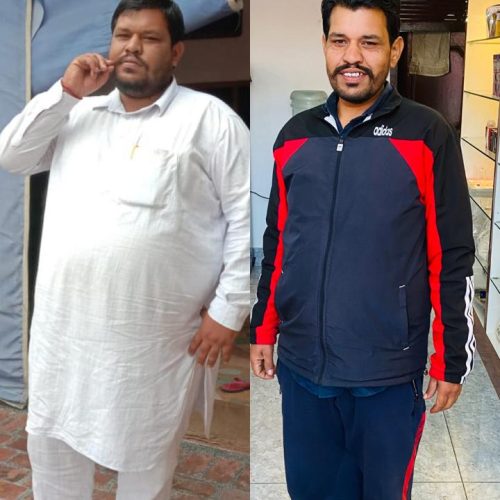



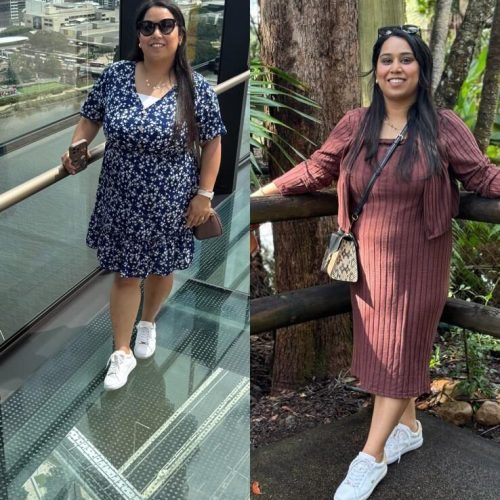
Sustainable weight loss, personalized anti-inflammatory diets & real root-cause healing
Virender Healthcare’s P6 Program is an anti-inflammatory, scientifically supported dietary regimen that reverses metabolic disorders like:

Type 2 Diabetes
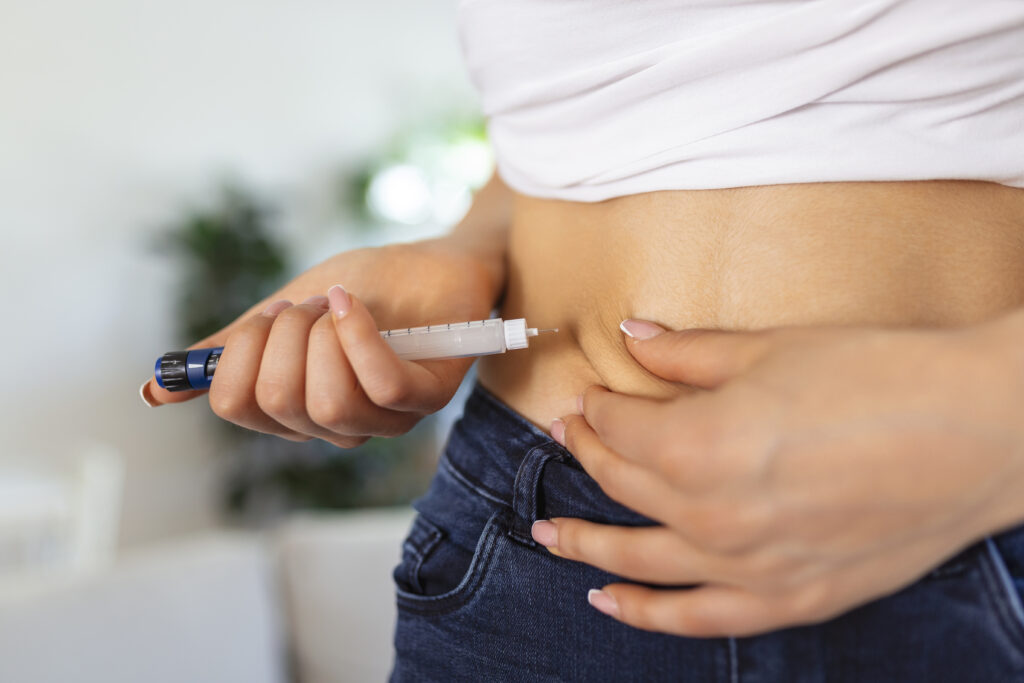
Insulin Resistance
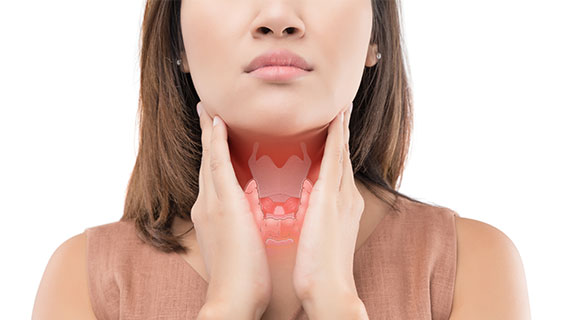
Hypothyroidism
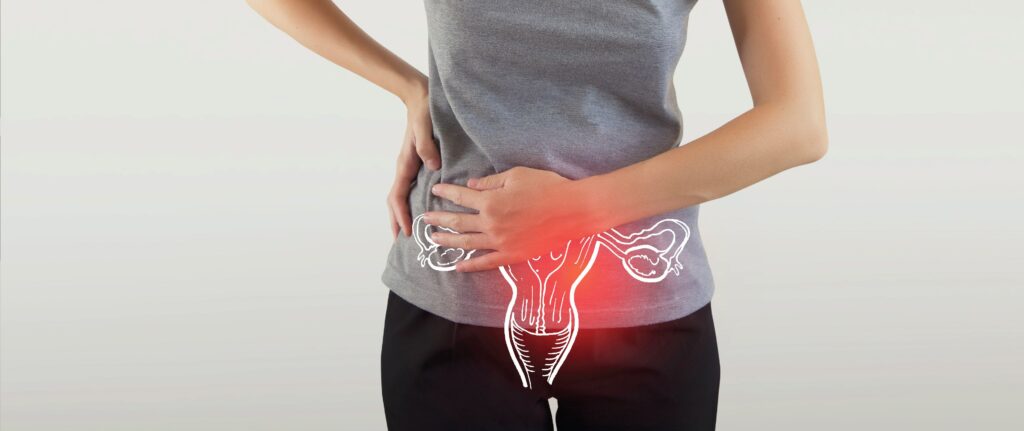
PCOD/PCOS
Obesity
Unlike quick fixes, we focus on root-cause healing, based on your health history, lab reports, and current body composition.
Every body is different. We analyze your health goals, lab results, metabolism, and lifestyle to create a personalized anti-inflammatory diet that fuels healing and supports weight loss.
Anti-inflammatory meal planning
Lab-based assessments
Hormonal rebalancing
100% natural methods
Sustainable weight loss
Hear from our clients who reversed insulin resistance, lost stubborn fat, balanced hormones, and reclaimed energy.
What is an anti-inflammatory diet?
A diet that aims to lessen inflammation in the body is known as an anti-inflammatory diet. Numerous medical diseases, such as diabetes, heart disease, arthritis, and other autoimmune disorders, are associated with chronic inflammation. Whole, nutrient-dense foods including fruits, vegetables, whole grains, lean meats, healthy fats (like nuts and olive oil), and herbs and spices like ginger and turmeric are the focus of this diet. Additionally, it restricts sugary snacks, processed foods, refined carbohydrates, and too much red or processed meat. You may have more energy, better digestion, less joint discomfort, and a decreased risk of chronic diseases if you adopt an anti-inflammatory diet.
Can this help with thyroid or PCOS?
Indeed, a diet low in inflammation can help control PCOS and thyroid disorders.
Reducing inflammation may assist improve thyroid function and lessen symptoms like weight gain, weariness, and brain fog in cases of thyroid problems, particularly autoimmune thyroid illnesses like Hashimoto’s thyroiditis. Foods that reduce inflammation can help maintain gut health and immunological balance, both of which are frequently weakened in thyroid conditions.
Inflammation is a major factor in insulin resistance and hormonal imbalance in PCOS. In addition to supporting hormonal balance and reducing symptoms like acne and irregular periods, an anti-inflammatory diet can aid in weight loss and insulin regulation.
Both illnesses can be effectively managed naturally by consuming foods like leafy greens, berries, flaxseeds, turmeric, fatty fish (such as salmon), and avoiding processed and high-sugar foods.
How long does it take to see results?
A person’s present health status, consistency, and lifestyle can all affect how long it takes them to get results from an anti-inflammatory diet. Nonetheless, within two to four weeks, many people begin to notice improvements.
Early enhancements could consist of:
Better digestion and less bloating
More consistent levels of energy
Clear skin
Enhanced mood and sleep quality
It may take six to twelve weeks or longer to see obvious benefits for more serious health issues like PCOS, thyroid imbalances, or autoimmune symptoms, especially when paired with other beneficial lifestyle adjustments like stress reduction, improved sleep, and regular exercise.
Maintaining consistency is essential because as inflammation subsides and your body starts to recover and reset, the effects become more noticeable over time.
Will I need to take supplements or medications?
Your unique health status and nutrient levels will determine this. Many of the vital elements your body need are found in an anti-inflammatory diet, which may eventually lessen the need for prescription drugs. To completely control their symptoms, some people may still require drugs or specific supplements for illnesses like PCOS or thyroid issues, particularly in the early stages.
For instance:
Thyroid hormone replacement may be necessary for those who have hypothyroidism.
Supplements such as omega-3s, vitamin D, or inositol may help women with PCOS.
Supplements can assist in reestablishing equilibrium if you are deficient in certain areas, such as iron, vitamin D, or vitamin B12.
Always consult a healthcare professional before starting or stopping any medications or supplements. The goal of an anti-inflammatory diet is to support your body naturally—and in many cases, it can complement medical treatments and improve long-term outcomes.